📊 How socialism won in NYC
Plus: Ukraine bans Polymarket with no legal path back, hedge funds are buying prediction market data, Kalshi hits $410M in open interest
GM. You’re reading PredictionDesk, the daily newsletter that helps you become a prediction markets expert in under 5 minutes.
Here’s what we got for you today:
🏙️ From 7% to 99% in seven months: inside Kalshi's Mamdani data
🇺🇦 Ukraine blocks Polymarket, classifies it as unlicensed gambling
🔢 Hedge funds see value in prediction market data
📈 Market Moves
📊 Odds & Ends

HOW KALSHI TRADERS SAW MAMDANI'S WIN BEFORE ANYONE ELSE 🏙️
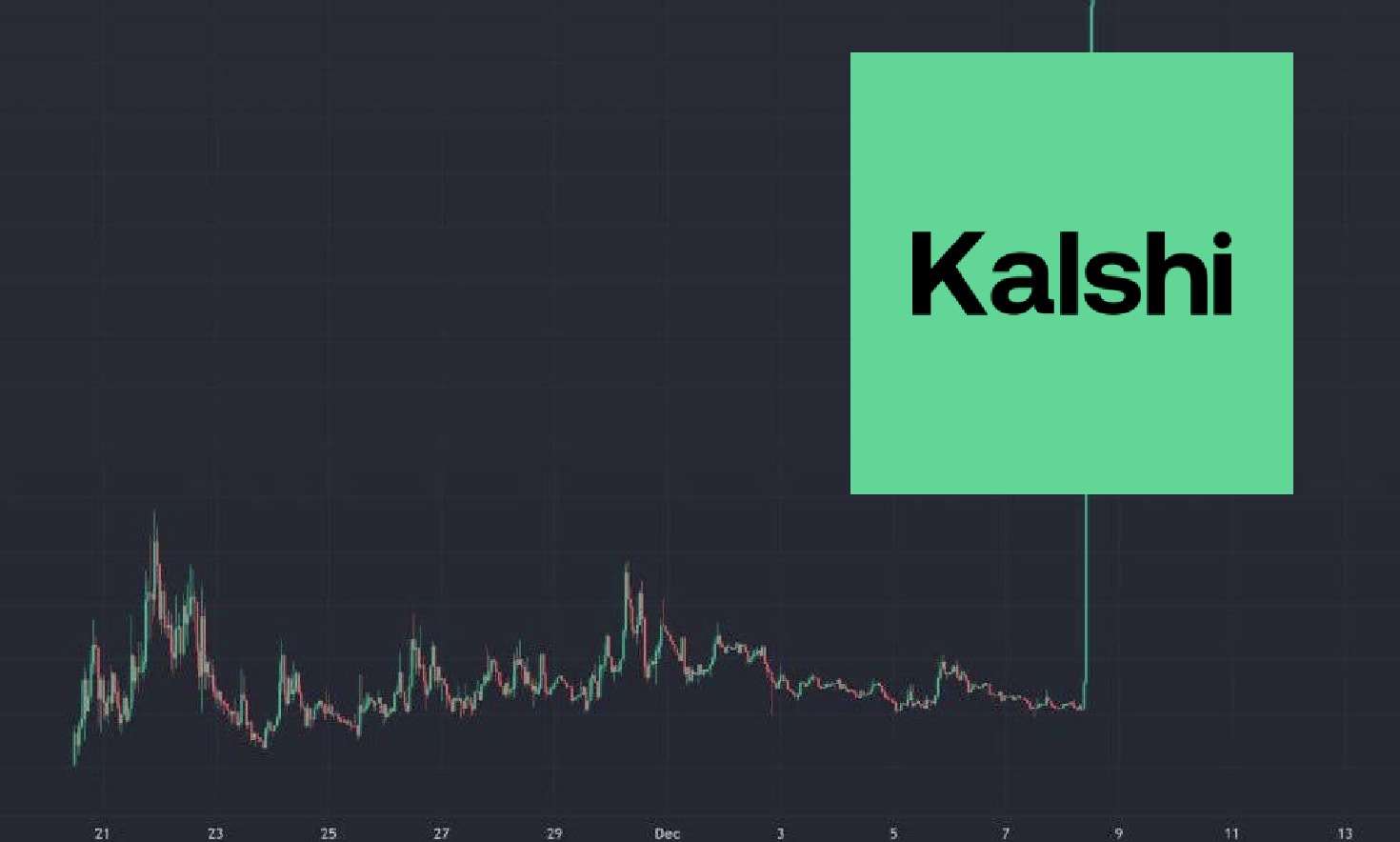
Kalshi just published research on how its markets tracked Zohran Mamdani's NYC mayoral primary win, using 337,000 minute-level price observations from November 2024 to July 2025. On day one, traders priced Mamdani at 7%. Three minutes after polls closed, the market hit 99%, calling the race before any media outlet.
For six months, Kalshi prices sat flat between 1-9% on a median of zero trades per day. The first real signal came May 28, when Emerson polling showed Mamdani's support jumping from 1% in February to 23%, cutting Cuomo's lead from 12 points to 9. Prices moved 10.5 cents.
From there, things moved quickly. When a POLITICO poll came out on June 9 showing the gap had narrowed to just 2 points, Mamdani's odds jumped 9 cents in only 20 minutes. Two days later, a Public Policy Polling survey showed Mamdani in the lead for the first time, 35% to 31%, and his Kalshi probability climbed to around 40%.
The biggest jump happened on June 23 when early voting numbers were released. Turnout had doubled compared to previous elections, with younger voters turning out in force: 47% of ballots came from voters under 44, and 30% from voters under 30. Traders saw this as a game-changer as Mamdani's odds surged 24 cents on trading volume 30 times higher than normal.

But not every development pushed in Mamdani's favor. When the New York Times editorial board published an anti-endorsement saying, "We do not believe that Mr. Mamdani deserves a spot on New Yorkers' ballots," his odds dropped 11 cents over two days. That decline was larger than any positive endorsement managed to move markets upward, including Bernie Sanders backing Mamdani the very next day. Even in prediction markets, institutional credibility still carries weight, especially when it's negative and unexpected.
Meanwhile, Kalshi was tracking something else: an "electability discount." As Mamdani's primary odds climbed, Democratic odds in the general election fell from 90% to 69%, a 21-point drop. The pattern was clearest on June 16, the day of the NYT anti-endorsement: Mamdani's primary odds fell 11 cents while general election odds rose 7 cents. Traders were essentially pricing in the fear that a socialist nominee would lose in November. But by July 29, general election odds started recovering. On election day itself, Democrats won with 99% probability.

UKRAINE BANS POLYMARKET. NO WAY BACK. 🇺🇦
Ukraine has ordered internet service providers to block access to Polymarket, officially labeling the platform an unlicensed gambling operator. The directive comes from the National Commission for State Regulation of Electronic Communications (NCEC), which adopted Decision No. 695 on December 10, 2025. It’s a blunt instrument compared to the nuanced legal battles we see in the U.S., placing Polymarket as item 121 on a blacklist of roughly 198 sites alongside traditional offshore casinos.

The core problem isn't enforcement discretion. It's that Ukrainian law doesn't recognize prediction markets as a category at all. "Ukrainian legislation does not contain such a concept as 'prediction markets,'" Dmitry Nikolaievskyi, chief legal officer at the Ministry of Digital Transformation's project office, told CoinDesk. Without a pending "Virtual Assets" law that's been stalled for years, any platform facilitating crypto-based betting on event outcomes is, by default, an unlicensed gambling operator. There's no license to apply for.
War-related markets likely accelerated the crackdown. Local media reported more than $270 million in war-linked bets on Polymarket, including markets predicting territorial captures. Nikolaievskyi acknowledged regulators may have moved faster because of these markets, even if the legal basis was gambling law, not content restrictions.
The enforcement mechanism creates risk for other platforms too. PlayCity, Ukraine's gambling regulator, accepts citizen complaints about suspected unlicensed operators. Kalshi and PredictIt weren't on the initial block list, but a single complaint could trigger the same process. Neither has a Ukrainian gambling license, which means neither has a defense if regulators come looking.
For now, the ban targets platforms, not users. Nikolaievskyi said he's unaware of any effort to prosecute individuals using VPNs or interacting directly with smart contracts. The state seems uninterested in chasing its own citizens around the internet.
The path back is effectively closed. Any revision to Ukraine's gambling definitions would require Parliamentary action, and Nikolaievskyi called the likelihood of that "extremely low" during wartime. For Web3 prediction markets, Ukraine is a jurisdiction where the legal infrastructure to operate simply doesn't exist and won't be built anytime soon.

HEDGE FUNDS WANT THE DATA 🔢
Prediction markets have become a quietly valuable tool for money managers hunting every edge they can find. Wall Street compliance teams aren't blocking Polymarket and Kalshi company-wide yet, but they eye these sites with the same suspicion they had for Reddit during the meme-stock boom. And some have already banned them on corporate devices anyway. Still, funds like Susquehanna have posted job openings for traders specializing in prediction markets, not to place massive bets, but to extract insight from the data these markets produce.

The reason isn’t mystical. Prediction markets aggregate thousands of individual forecasts into a single, continuously updating probability signal, and hedge funds long ago developed an instinct for sniffing out useful signals wherever they appear. Before this, everyone watched survey results or tickers; now, some firms harvest prediction-market volumes and price drifts as another input into their models, hoping to detect when the consensus might shift before the rest of the market does. These data feeds are free and open, and companies like Polymarket have partnered with legacy providers like Intercontinental Exchange and Dow Jones to turn that raw activity into products institutional traders can digest.
Prediction markets are still tiny relative to traditional macro hedges, and most hedge funds aren’t actually deploying gigantic capital directly on these platforms. Liquidity is too shallow, regulatory and compliance concerns still loom large, and many institutional risk committees would rather see a decade of history before taking them seriously. But the “smart money” isn’t entirely on the sidelines. Some proprietary trading shops are quietly experimenting, and data analytics firms are packaging prediction-market activity into signals designed to forecast jobs reports, inflation surprises, or even the ebb and flow of gambling enthusiasm that can presage moves in DraftKings or Flutter stock.
In essence, what hedge funds seem to want most isn’t to bet in the prediction markets so much as to bet with their data. And as these platforms continue to mature, forge partnerships with mainstream financial data providers, and integrate into tools used by buy-side analysts, that sneaky edge could turn into a structural input rather than a quirky sideline. Whether that ends up the next great source of alpha or just another fad hedge funds monitor from afar remains to be seen, but for now the world’s most sophisticated money managers are watching those price probabilities a lot more closely than they admit in compliance forms.

MARKET MOVES 📈
📈 Biggest swing: “Will Trump admin release any more Epstein related files by January 31?” moved 51% → 15% (Polymarket)
💰 Top earner: @gmpm - $291,762 24H Profit (Polymarket)
🤔 Weirdest market: “Next Country US Strikes” (Polymarket)

ODDS & ENDS 📊
Six months ago Kalshi had $100M in open interest. Now it's $410M. Sports betting drove most of the growth, doubling to 50% share.
Tool named coldvision launches to track UMA voters. These are voters that control Polymarket dispute outcomes.
Can Clawdbot beat prediction markets? The people are testing the theory.

RATE TODAY’S EDITION

MEME OF THE DAY 😂
Equipment policies break when you hire globally

Deel’s latest policy template on IT Equipment Policies can help HR teams stay organized when handling requests across time zones (and even languages). This free template gives you:
Clear provisioning rules across all countries
Security protocols that prevent compliance gaps
Return processes that actually work remotely
This free equipment provisioning policy will enable you to adjust to any state or country you hire from instead of producing a new policy every time. That means less complexity and more time for greater priorities.